Bali, Java, Lombok or trekking in Papua? Get expert travel health advice and vaccinations for Indonesia from Bromley's official Yellow Fever Centre — with cover matched to where you are going.
6-8
Weeks Before Travel
Official
Yellow Fever Centre
Full
Protection Available
Which vaccinations you need depends on where you are going and what you will be doing. Your pharmacist confirms exactly what is right for your trip at your consultation.
Food & water safety
Spread through contaminated food and water. Recommended for most travellers to Indonesia.
Routine booster
Check your routine UK tetanus vaccination is up to date — a booster may be advised before you travel.
Food & water safety
Spread through contaminated food and water. Recommended for most travellers to Indonesia.
Mosquito-borne virus
Considered for some travellers depending on destination, length of stay and the season. Spread by daytime-biting mosquitoes.
Mosquito-borne virus
Considered for some travellers based on age, travel history and destination. Spread by daytime-biting mosquitoes, so bite avoidance matters too.
Blood & body fluids
Considered for longer stays, and for anyone who may need medical or dental treatment or have other exposure to blood or body fluids.
Rural & rice-field risk
Considered for longer stays or repeated travel to rural and rice-growing areas, particularly during the rainy season.
Check your MMR
Make sure you have had two doses of the MMR vaccine — measles still circulates in many countries and outbreaks can occur.
Animal contact risk
Considered for travellers who may have contact with animals — including dogs and monkeys — are visiting remote areas, or will be far from prompt medical care.
Prolonged close contact
Considered for some longer-stay travellers, particularly those living or working closely with local communities.
There is no risk of yellow fever in Indonesia. However, under International Health Regulations, Indonesia requires proof of yellow fever vaccination from travellers aged 9 months or over arriving from a country with a risk of yellow fever transmission.
Indonesia also sets separate meningococcal and polio requirements for some departing travellers, so it is worth checking whether those apply to your trip. As an official Yellow Fever Centre, we can advise on your route and issue your ICVP certificate.
Malaria risk in Indonesia varies widely from island to island. The main tourist islands carry a low risk, eastern Indonesia — Papua especially — carries a high risk, and Jakarta has none.
A high risk of malaria. Antimalarial tablets (atovaquone/proguanil, doxycycline or mefloquine) are recommended.
A low risk across the main islands, including Bali and Lombok, and in Indonesian Borneo (Kalimantan). Awareness of risk and mosquito-bite avoidance are recommended; antimalarial tablets are considered only for higher-risk travellers.
No malaria risk in the city of Jakarta. Simple bite-avoidance is still sensible against other mosquito-borne illnesses such as dengue.
Some travellers — including long-term visitors, the over-70s, pregnant women, infants and young children, and those who are immunosuppressed — may be advised antimalarials even in lower-risk areas. We assess your personal risk at your consultation.
Simple precautions for a safe, healthy trip

Stick to bottled or purified water, avoid ice, and eat freshly cooked food — an upset stomach is the most common travel illness.
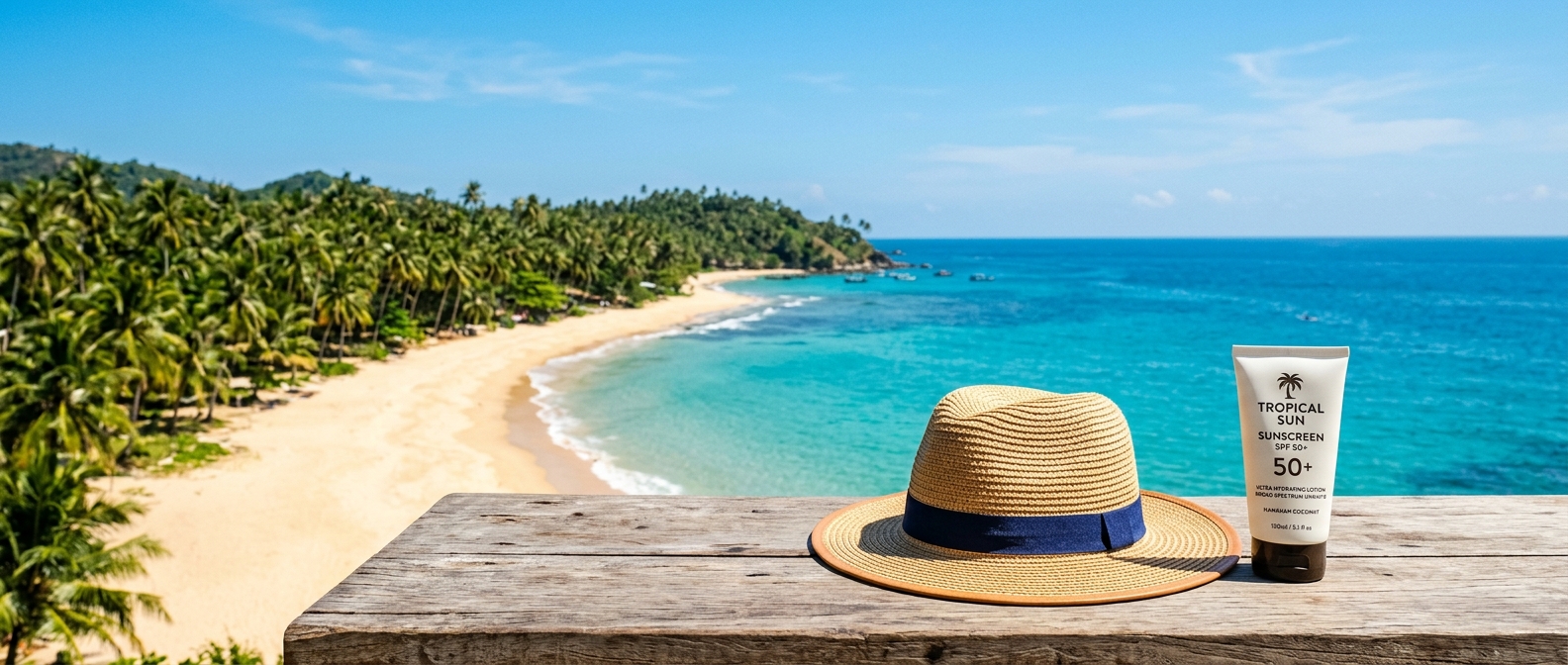
The tropical sun and humidity are intense. Use a high-SPF sunscreen, stay hydrated and ease off in the midday heat.

Dengue is common across Indonesia and there is no tablet to prevent it, so a good DEET repellent, covered skin and daytime bite avoidance matter as much as any vaccine.
Only if you are arriving from — or transiting — a country with a risk of yellow fever transmission, and the requirement applies from 9 months of age. Travelling directly from the UK you will not need one. Indonesia also has separate meningococcal and polio requirements for some departing travellers, which we can check with you.
Bali carries only a low malaria risk, so for most holidaymakers awareness and good mosquito-bite avoidance are enough rather than tablets. Antimalarials are recommended for high-risk areas such as Papua. We will match the advice to your itinerary at your consultation.
Dengue is common across Indonesia and is spread by daytime-biting mosquitoes. There is a vaccine your pharmacist can discuss for some travellers, but avoiding bites — repellent and covered skin — is important for everyone.
We recommend booking 6 to 8 weeks before you travel so any vaccine courses have time to take effect — but come in even if your trip is sooner, as partial protection is often still worthwhile.
Book your travel health consultation at our Bromley clinic and get expert advice, any vaccinations you need and your yellow fever certificate in a single visit.