COSTA RICA TRAVEL HEALTH

Travel Vaccinations for
Costa Rica

Rainforests, volcanoes and two coastlines? Get expert travel health advice and vaccinations for Costa Rica from Bromley's official Yellow Fever Centre — with cover matched to your trip.

6-8

Weeks Before Travel

Official

Yellow Fever Centre

Full

Protection Available

Protect yourself in Costa Rica

Which vaccinations you need depends on where you are going and what you will be doing. Your pharmacist confirms exactly what is right for your trip at your consultation.

Hepatitis A

Most travellers

Food & water safety

Spread through contaminated food and water. Recommended for most travellers to Costa Rica.

Tetanus

Most travellers

Routine booster

Check your routine UK tetanus vaccination is up to date — a booster may be advised before you travel.

Chikungunya

Some travellers

Mosquito-borne virus

Considered for some travellers depending on destination, length of stay and the season. Spread by daytime-biting mosquitoes.

Dengue

Some travellers

Mosquito-borne virus

Considered for some travellers based on age, travel history and destination. Spread by daytime-biting mosquitoes, so bite avoidance matters too.

Rabies

Some travellers

Animal contact risk

Considered for travellers who may have contact with animals, are visiting remote areas, or will be far from prompt medical care.

Typhoid

Some travellers

Food & water safety

Spread through contaminated food and water. Considered for some travellers, particularly for longer stays or travel outside the main resorts.

OFFICIAL YELLOW FEVER CENTRE

Yellow fever: a certificate requirement, not a health risk

There is no risk of yellow fever in Costa Rica. However, Costa Rica requires proof of yellow fever vaccination from travellers aged 9 months or over arriving from a country with a risk of yellow fever transmission.

  • The requirement applies to travellers aged 9 months or over. Travelling directly from the UK, you will not need a certificate to enter.
  • Costa Rica adds Rwanda, Tanzania and Zambia to the list of risk countries, and excludes Argentina and Panama — so exactly who needs a certificate can differ from other destinations.
  • A certificate is not required if you only transit through an airport of a risk country and remain within the international transit area.
  • Since 11 July 2016 a yellow fever certificate is valid for the life of the person vaccinated — boosters are not required, and a valid certificate cannot be refused for being more than ten years old.

As an official Yellow Fever Centre, we can check whether your route needs a certificate, vaccinate where required, and issue your ICVP certificate.

LOW MALARIA RISK

Malaria risk in Costa Rica

Malaria risk in Costa Rica is low to very low, so for most travellers awareness and good mosquito-bite avoidance matter more than tablets. Costa Rica also carries a risk of dengue, chikungunya and Zika, so avoiding bites is worthwhile wherever you go.

Limon Province (outside Puerto Limon)

A low risk of malaria in Limon Province, though not in the city of Limon (Puerto Limon) itself. Awareness of risk and mosquito-bite avoidance are recommended.

The rest of Costa Rica

A very low risk across the rest of the country, including San Jose, the coasts and the city of Puerto Limon. Awareness of risk and bite avoidance are recommended.

Because the risk is low, antimalarial tablets are not usually recommended for Costa Rica — we confirm this against your itinerary at your consultation. There is also a risk of Zika virus: if you are pregnant or planning a pregnancy, please seek advice before you travel.

HEALTH ADVICE

Stay healthy in Costa Rica

Simple precautions for a safe, healthy trip

Food & Water

Food & Water

Stick to bottled or purified water, avoid ice, and eat freshly cooked food — an upset stomach is the most common travel illness.
Sun & Heat

Sun & Heat

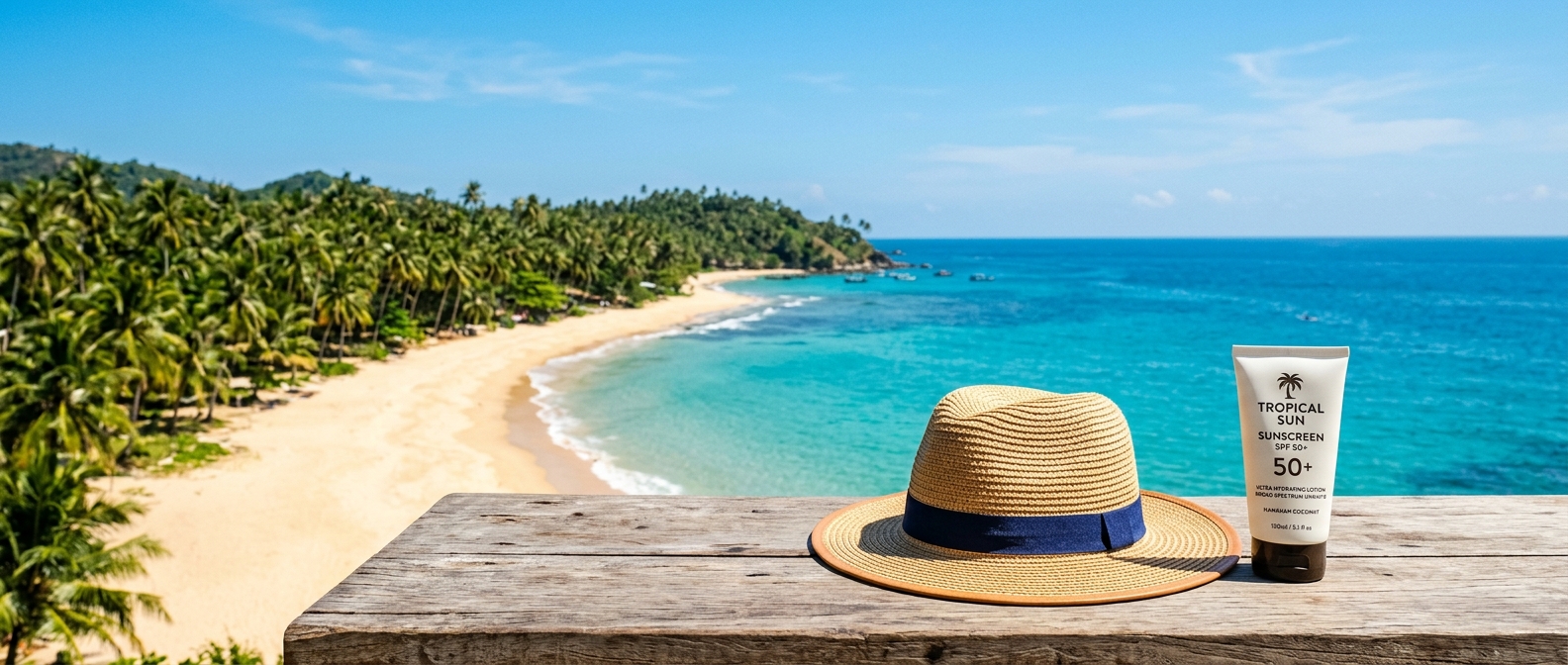
The tropical sun and humidity are strong, especially on the coast. Use a high-SPF sunscreen, stay hydrated and take breaks from the midday heat.

Mosquito Bites

Mosquito Bites

Dengue, chikungunya and Zika are all spread by daytime-biting mosquitoes here, and none is stopped by tablets — so DEET repellent and covered skin matter. Pregnant travellers should get advice on Zika before booking.

BOOK ONLINE

Book your Costa Rica travel consultation

Choose a time that suits you. No GP referral needed — booking takes about a minute.

Prefer to talk it through first? Call 020 8460 0377 or see all services.

TRAVEL FAQS

Common questions

Only if you are arriving from a country with a risk of yellow fever transmission, and the requirement applies from 9 months of age. Costa Rica adds Rwanda, Tanzania and Zambia to that list and excludes Argentina and Panama, and a certificate is not needed if you only change planes airside. Travelling directly from the UK you will not need one — we can check your route if you are unsure.

For most travellers, no. Malaria risk is low to very low across Costa Rica, so awareness and good mosquito-bite avoidance are usually enough rather than tablets. We will confirm based on your itinerary at your consultation.

Yes, there is a risk of Zika virus in Costa Rica. It is spread by daytime-biting mosquitoes and there is no vaccine, so avoiding bites is the main protection. If you are pregnant or planning a pregnancy, please discuss the risks with us or your GP before you travel.

We recommend booking 6 to 8 weeks before you travel so any vaccine courses have time to take effect — but come in even if your trip is sooner, as partial protection is often still worthwhile.

Ready for your trip to Costa Rica?

Book your travel health consultation at our Bromley clinic and get expert advice, any vaccinations you need and your yellow fever certificate in a single visit.

Travel Ready
Expert Advice
Yellow Fever Centre