
Written by the Caxton Pharmacy team · Last reviewed against NaTHNaC guidance updated 18 February 2026.
If your trip touches tropical Africa or South America, yellow fever is the one vaccination that can decide whether you board the plane. Some countries will not let you in without proof of it, and in the UK the vaccine can only be given at a designated Yellow Fever Vaccination Centre. This guide covers everything a traveller needs to know: whether you need the jab, which countries require it, how the lifelong certificate works, what it costs, who should not have it, and how to book it here in Bromley.
We are Caxton Pharmacy and Travel Clinic on Widmore Road in Bromley town centre, an independent pharmacy that has served this community for more than 30 years. Yellow fever sits within our full travel clinic service, alongside anti-malarials and every major travel vaccination.
KEY POINT — why this vaccine is different. Yellow fever vaccine is not available from ordinary pharmacies or clinics. Under international health rules it is only given at designated Yellow Fever Vaccination Centres (YFVCs) by trained staff, who also issue the official certificate you may need at the border.
What is yellow fever?
Yellow fever is a viral infection spread by the bite of infected mosquitoes in parts of Africa and Central and South America. The virus circulates between monkeys, humans and mosquitoes, and the species that carry it bite during the day, from dawn to dusk.
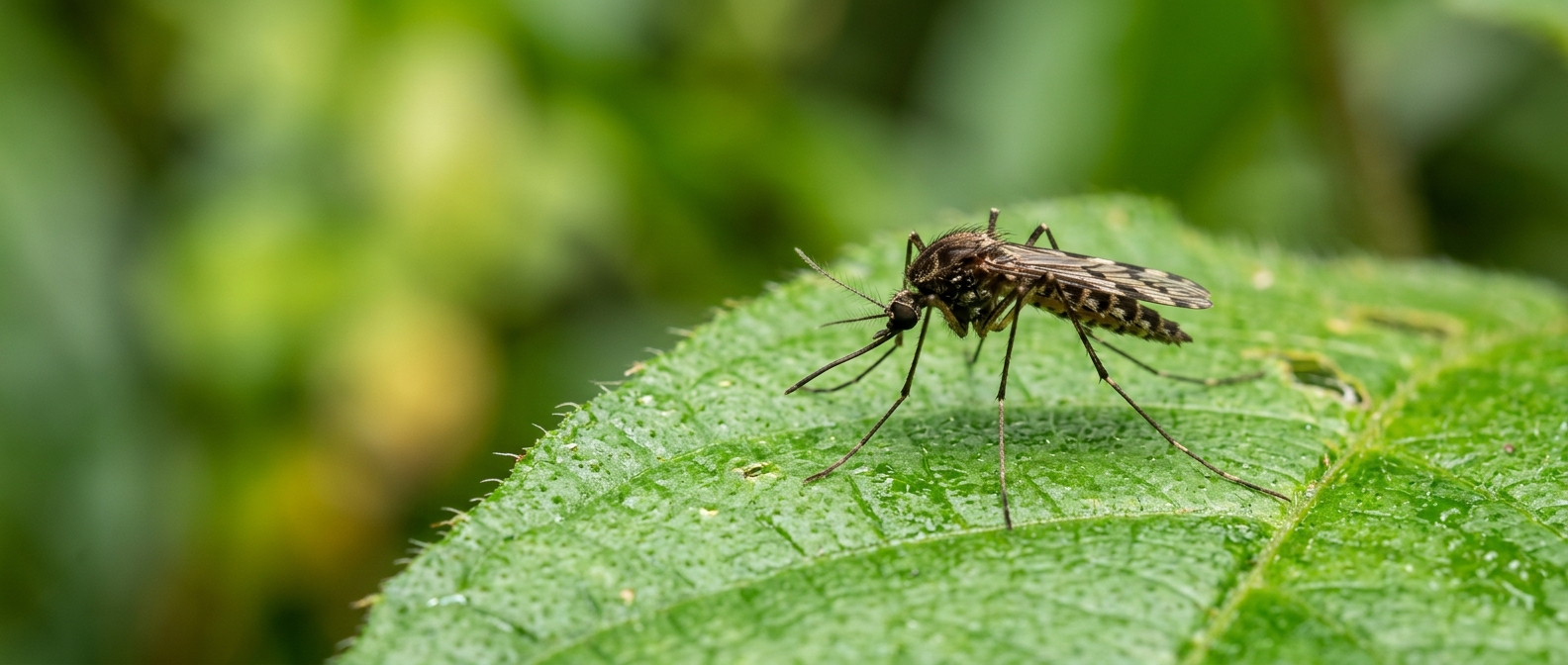
Most people who catch it develop fever, muscle pain, headache, nausea and vomiting within three to six days of the bite. Many recover, but according to the UK’s National Travel Health Network and Centre (NaTHNaC), 15 to 25 per cent of patients go on to a second, far more dangerous phase: jaundice (the yellowing of the skin that gives the disease its name), bleeding, and failure of the major organs. Of those who reach that stage, 20 to 50 per cent do not survive.
There is no cure and no antiviral treatment. Doctors can only manage the symptoms. That is why prevention, through vaccination and mosquito-bite avoidance, is the entire strategy, and why so many countries police it at their borders.
Do you actually need it? Required vs recommended
This is the distinction that confuses most travellers, and getting it wrong can mean being refused entry or travelling unprotected.
Required for entry means a country demands a valid yellow fever certificate before letting you in. Some countries require it from every arrival; many more require it only if you are arriving from, or have transited through, a country with yellow fever risk. The purpose is to stop the disease being imported, which is why a country with no yellow fever of its own may still demand your certificate.
Recommended for protection means you are travelling into an area where the virus circulates, so vaccination is advised for your own safety regardless of what the border requires. A country not demanding a certificate does not mean there is no risk there.
The two often overlap, but not always. During your consultation we check your exact route, including airport connections, against the current NaTHNaC country records, because a two-hour transit in the wrong airport can trigger a certificate requirement for your next destination.
Not sure which applies to your trip? Check availability and book a travel consultation and we will work through your itinerary with you.
Which countries require or recommend the yellow fever vaccine? (2026)
The World Health Organization defines the countries with risk of yellow fever transmission. As of NaTHNaC’s guidance (updated 18 February 2026), they are:
Africa — 29 countries with risk of transmission
| Angola | Congo | The Gambia | Liberia | Senegal |
| Benin | Côte d’Ivoire | Ghana | Mali* | Sierra Leone |
| Burkina Faso | DR Congo | Guinea | Mauritania* | South Sudan |
| Burundi | Equatorial Guinea | Guinea-Bissau | Niger* | Sudan* |
| Cameroon | Ethiopia* | Kenya* | Nigeria | Togo |
| Central African Republic | Chad* | Gabon | Uganda |

Central and South America — risk in areas of 13 countries
| Argentina* | Colombia* | Guyana | Peru* |
| Bolivia* | Ecuador* | Panama* | Suriname |
| Brazil* | French Guiana | Paraguay* | Trinidad and Tobago* |
| Venezuela* |

A further six countries (Eritrea, Rwanda, São Tomé and Príncipe, Somalia, Tanzania and Zambia) are classed as having low potential for exposure, which matters for older travellers in particular, as we explain below.
Risk areas change, and certificate requirements change with them. We check the live NaTHNaC country pages at every consultation rather than relying on printed lists, and this page is re-checked against NaTHNaC on the review date shown at the top. For a deeper country-by-country reading, including how transit rules really work, see our 2026 guide to yellow fever countries.
KEY POINT — transit counts. Many countries demand a certificate not because you visited a risk country, but because you changed planes in one. Tell us every stop on your route, however brief, and we will check each leg.
The yellow fever certificate (ICVP): valid for life
Proof of vaccination is recorded in an International Certificate of Vaccination or Prophylaxis, the yellow booklet checked at borders worldwide.

Two facts about it matter more than anything else:
It is valid for life. Since 11 July 2016, under an amendment to the International Health Regulations, a yellow fever certificate lasts for the lifetime of the person vaccinated. The old ten-year rule is gone, and that applies retroactively: a certificate issued decades ago is still valid, and no country is permitted to demand a booster or re-vaccination as a condition of entry. If you were vaccinated years ago and still have your certificate, you may not need anything from us at all.
It becomes valid 10 days after vaccination. The certificate does not work from the moment of the jab. If a border demands it, you must be vaccinated at least 10 days before you arrive, which is the single most common reason travellers get caught out. Book with at least two weeks in hand wherever possible.
Certificates are only issued at designated centres, at the time of vaccination. If you have lost yours, the centre that vaccinated you can usually issue a replacement from its records; if that is not possible, a new vaccination and certificate may be needed, which is worth knowing well before departure rather than at check-in. Replacements, exemption letters and every other certificate question are covered in our dedicated guide to the yellow fever certificate.
The vaccine itself: one dose, lifelong protection for most people
The UK uses a single yellow fever vaccine, Stamaril (Sanofi). It is a live, weakened (attenuated) vaccine that has been in use for more than 80 years, with an estimated 500 million doses given worldwide.
One dose is all most people ever need. NaTHNaC reports that a single dose produces immunity in 95 to 100 per cent of recipients, with protection lasting at least 35 years and most likely for life. It can be given from nine months of age; infants of six to eight months are only vaccinated in exceptional circumstances on specialist advice.
Because it is a live vaccine, timing around other vaccinations matters. Yellow fever and MMR should never be given on the same day, and a four-week gap is advised between them; we plan this into your schedule if children or MMR boosters are involved. This is one reason to start your travel health planning early rather than solving one jab at a time.
Who should not have the yellow fever vaccine
This vaccine does more good than harm by an enormous margin in people who need it, but it has real contraindications, and a careful assessment is not bureaucracy: it is how the rare serious risks are kept rare. UK guidance requires a standardised pre-vaccination checklist for every patient, and that is exactly what we do, face to face.
The vaccine is not given under any circumstances to:
- babies under six months old
- anyone who has had an anaphylactic reaction to a previous dose or to any component of the vaccine, including severe (anaphylactic) egg allergy
- anyone with a thymus disorder, or who has had their thymus gland removed for any reason, including incidentally during heart surgery
- anyone whose immune system is significantly weakened, whether by a condition (including symptomatic HIV) or by treatment such as high-dose steroids, immunosuppressive biologic medicines, chemotherapy or radiotherapy
- anyone with a first-degree relative (parent, sibling or child) who suffered a serious neurological or organ reaction to the yellow fever vaccine that was not explained by a known risk factor
- travellers aged 60 or over heading only to areas the WHO classes as low potential for exposure
Extra care and specialist assessment apply to: travellers aged 60 and over going to genuine risk areas, pregnant and breastfeeding women, infants aged six to eight months, people living with well-controlled HIV, and those on low-dose steroids or other non-biologic immune-modulating medicines. In these groups the decision balances the real risk of yellow fever at the destination against the small but higher risk of vaccine side effects, and we take specialist advice where appropriate. Every group, and how exemption letters work in practice, is explained in our guide to who cannot have the yellow fever vaccine.
If you cannot have the vaccine but must travel, a designated centre can assess you and issue a Medical Letter of Exemption for border officials, alongside rigorous mosquito-bite avoidance advice. Acceptance of an exemption letter is at the destination country’s discretion, and we are honest about that.
KEY POINT — over 60? You can still have the yellow fever vaccine if your destination carries genuine risk, but UK regulators strengthened the precautions for older travellers in 2019 because rare serious reactions become more likely with age. For over-60s we always weigh the trip against the risk properly. It is a conversation, not a form.
Side effects: the honest picture
Most people have no trouble at all. NaTHNaC reports that 10 to 30 per cent of recipients get mild, short-lived effects in the first five to ten days: a sore arm, headache, muscle aches or a low-grade fever.
Serious reactions exist and we will not pretend otherwise, because understanding them is exactly why the contraindication rules above are so strict. They fall into three groups, all rare:
- Severe allergic reaction (anaphylaxis) — estimated at around 1.3 cases per 100,000 doses.
- YEL-AND (yellow fever vaccine-associated neurologic disease) — inflammation affecting the nervous system, around 0.8 cases per 100,000 doses, with most patients recovering fully.
- YEL-AVD (yellow fever vaccine-associated viscerotropic disease) — an illness resembling severe yellow fever itself, around 0.3 cases per 100,000 doses.
Both YEL-AND and YEL-AVD have occurred almost exclusively in first-time recipients, and the risk rises with age, which is the entire basis of the over-60 precautions. For perspective: for a traveller entering a yellow fever risk zone, the disease is vastly more dangerous than the vaccine, which is why the WHO continues to recommend vaccination for at-risk travel. Anyone vaccinated with us leaves knowing the early warning signs and exactly when to seek urgent help.
(Sources: NaTHNaC yellow fever factsheet, updated 18 February 2026; UKHSA Green Book chapter 35; MHRA Drug Safety Update on Stamaril.)
When to have it: timing your vaccination

- At least 10 days before travel — the hard minimum, for both certificate validity and protection.
- Four to six weeks before travel, ideally — this lets us schedule yellow fever cleanly around any other vaccines your trip needs (several destinations that require yellow fever also call for typhoid, hepatitis A or rabies courses), and around the four-week MMR spacing rule if children are travelling.
- Booked months ahead? Even better. One dose, lifelong certificate, job done for every future trip.
If you are inside the 10-day window, contact us anyway. We will tell you honestly what is and is not possible, and what bite-avoidance and route options remain.
Do you ever need a booster?
For entry requirements: no, never. Your certificate is valid for life and border officials cannot demand a second dose.
For protection: a small subset of travellers may be advised to have one further dose, because their immune response to the first may have been reduced. UK guidance highlights people who were pregnant when first vaccinated, children vaccinated under the age of two, anyone immunosuppressed at the time of their first dose, and some travellers returning to high-risk or outbreak areas after many years. We assess this individually; most people never need a second dose.
Cost and booking at Caxton Pharmacy, Bromley
Your appointment includes the full pre-vaccination risk assessment with our pharmacist, the vaccination itself where appropriate, your International Certificate of Vaccination or Prophylaxis, and route-specific advice covering malaria and any other vaccines your trip needs. Yellow fever vaccination is £80, which includes your lifelong ICVP certificate — there is no separate certificate fee and no consultation charge on top. No referral is needed, and we confirm the total cost before anything goes ahead. Full details of the service, our designation and what happens on the day are on our yellow fever vaccination page. For the full picture on pricing and planning, see what the yellow fever vaccine costs in Bromley and when to book.
We are at 3 Widmore Road, Bromley, BR1 1RL, in the town centre, open Monday to Friday 9am to 6pm and Saturday 9am to 5pm. We see travellers from across Bromley, Mottingham, Beckenham, Orpington, Chislehurst and the surrounding areas.
Check availability and book your yellow fever appointment, or call 020 8460 0377 with questions.
Frequently asked questions
Is the yellow fever vaccine once for life?
For most people, yes. One dose of Stamaril gives immunity in 95 to 100 per cent of recipients, protection is expected to be lifelong for most, and the certificate never expires. A small group may be advised to have a further dose for protection; we assess that individually.
How long before travel do I need the yellow fever vaccine?
At least 10 days before you arrive anywhere that requires the certificate, because that is when it becomes valid. Four to six weeks ahead is better, so other travel vaccines can be scheduled properly.
Do I need a yellow fever vaccine for India?
India has no yellow fever, but it strictly enforces certificate rules on travellers arriving from or transiting risk countries in Africa and South America. Fly London to India directly and you will not need it; route via a risk country and you may. We check your exact route.
Do I need it for Kenya or a safari?
Kenya carries yellow fever risk in parts of the country, and vaccination is commonly recommended for safari itineraries. Neighbouring Tanzania is classed as low potential for exposure, which changes the advice, particularly for over-60s. Bring your full itinerary and we will map it against current NaTHNaC guidance, or read our safari guide to yellow fever for Kenya and East Africa.
Do I need it for Brazil?
Parts of Brazil carry yellow fever risk, and recent years have seen outbreaks reach areas previously considered lower risk, including cases in unvaccinated European travellers. For most Brazilian itineraries beyond the far south, vaccination is recommended; we confirm against the current country record, and our Brazil and South America yellow fever guide walks through the popular routes.
Can I have the yellow fever vaccine if I am over 60?
Often yes, if your destination carries genuine risk, after a careful assessment. The vaccine is not given to over-60s travelling only to low-potential areas, because the balance of risk changes with age.
Can I have it while pregnant or breastfeeding?
Pregnancy and breastfeeding call for a careful individual assessment, and vaccination may still be considered where travel to a risk area is unavoidable. Talk to us before you book anything.
Can my baby have it?
From nine months of age. Babies under six months are never vaccinated; six to eight months only in exceptional circumstances on specialist advice.
I’ve lost my yellow fever certificate. What do I do?
Contact the centre that vaccinated you, which can usually issue a replacement from its records. If that is impossible, re-vaccination with a new certificate may be the practical answer; get in touch and we will help you work out the fastest safe route.
What if I can’t have the vaccine for medical reasons?
A designated centre can assess you and, where appropriate, issue a Medical Letter of Exemption to show at borders, along with strict bite-avoidance advice. Acceptance is at the destination’s discretion.
What are the side effects?
Usually none or mild: a sore arm, headache, aches or slight fever in the first week or so, affecting roughly one to three in ten people. Serious reactions are rare, are the reason the eligibility checks exist, and are covered honestly with you before you decide.
Why can’t I get this jab anywhere?
Because yellow fever vaccination is regulated internationally. Only designated Yellow Fever Vaccination Centres can administer it and issue the certificate, and every centre’s staff undergo specific training and registration.
Is yellow fever dangerous enough to justify all this?
Yes. It has no cure, and the severe form kills 20 to 50 per cent of the people who develop it. The vaccine is one dose, and for most people it protects for life.
Where can I get the yellow fever vaccine in Bromley?
At a designated centre. We are Caxton Pharmacy and Travel Clinic, 3 Widmore Road, Bromley town centre, and you can read about our designated Yellow Fever Vaccination Centre in Bromley, book your appointment or call 020 8460 0377.
This guide is general information for UK travellers, checked against NaTHNaC/TravelHealthPro guidance (yellow fever factsheet updated 18 February 2026), the UKHSA Green Book chapter 35, and WHO International Health Regulations (2005). It is not a substitute for an individual assessment; your suitability for the yellow fever vaccine is always decided in a face-to-face consultation.
Sources: NaTHNaC/TravelHealthPro yellow fever factsheet · TravelHealthPro country information · UKHSA Green Book chapter 35 · WHO yellow fever · WHO travel advice (country requirements)

Ready to take the next step?
Book your consultation with Caxton Pharmacy in Bromley. Same-day and next-day appointments usually available.